

I love daily photography. I always carry my Fujifilm camera with me. One challenge in this routine is choosing a lens for everyday use. I have both wide and relatively narrow lenses. A few months ago, I bought a tiny lens - the Viltrox AF 28mm f/4.5. I hoped for the best and I received exactly what was advertised and even more.
This is the story of that lens in particular and a reflection on how, in our technological age, we tend to chase perfection.
Perfection is a construct. The first question we should ask ourselves is: why? Why do we feel the need to be perfect in every situation?
This tiny lens (with autofocus!) sat on my shelf for quite a long time. One day, I grabbed it, mounted it on my X-T5 and took it with me. I had a not-so-important conference to attend, but instead I checked the dusk timing and went to Kus Tba (Turtle Lake).


There is a distinct sense of surprise and excitement when you decide to use a long-forgotten lens. It gives you a different angle of view and therefore a different perspective. Sometimes, that alone is enough to make you fall in love with your own hobby again.
I used this lens from time to time, but lately I couldn’t justify its relatively “bad quality.” The glass doesn’t quite match the high resolution of the X-T5’s 40 MP sensor. Stills can be soft and haze can be overwhelming. One trick I learned is that slight underexposure improves contrast and reduces haze. There is no reason to expect perfect results from a $75 (discount price) pancake lens - the smallest autofocus lens I own. I think Viltrox intended exactly that, to give us a certain kind of experience. And in that sense, it performs exactly as advertised1.


There is no doubt that these photos would be “better” with my Fujinon 35mm f/2 or 16mm f/2.8. But that is not the point. I am not comparing different classes of lenses. I want to challenge the notion of perfection and our tendency to constantly compare one product to another. Of course Fujifilm and third-party manufacturers offer high-tier lenses and they have their place in clinical shooting and specialized work.
But what does one truly need to make a sunny Sunday perfect for exploring, photographing and conveying a moment? One needs tools - and I already have the tool. Overconsumption pushes us to buy products that overlap in function and quality.
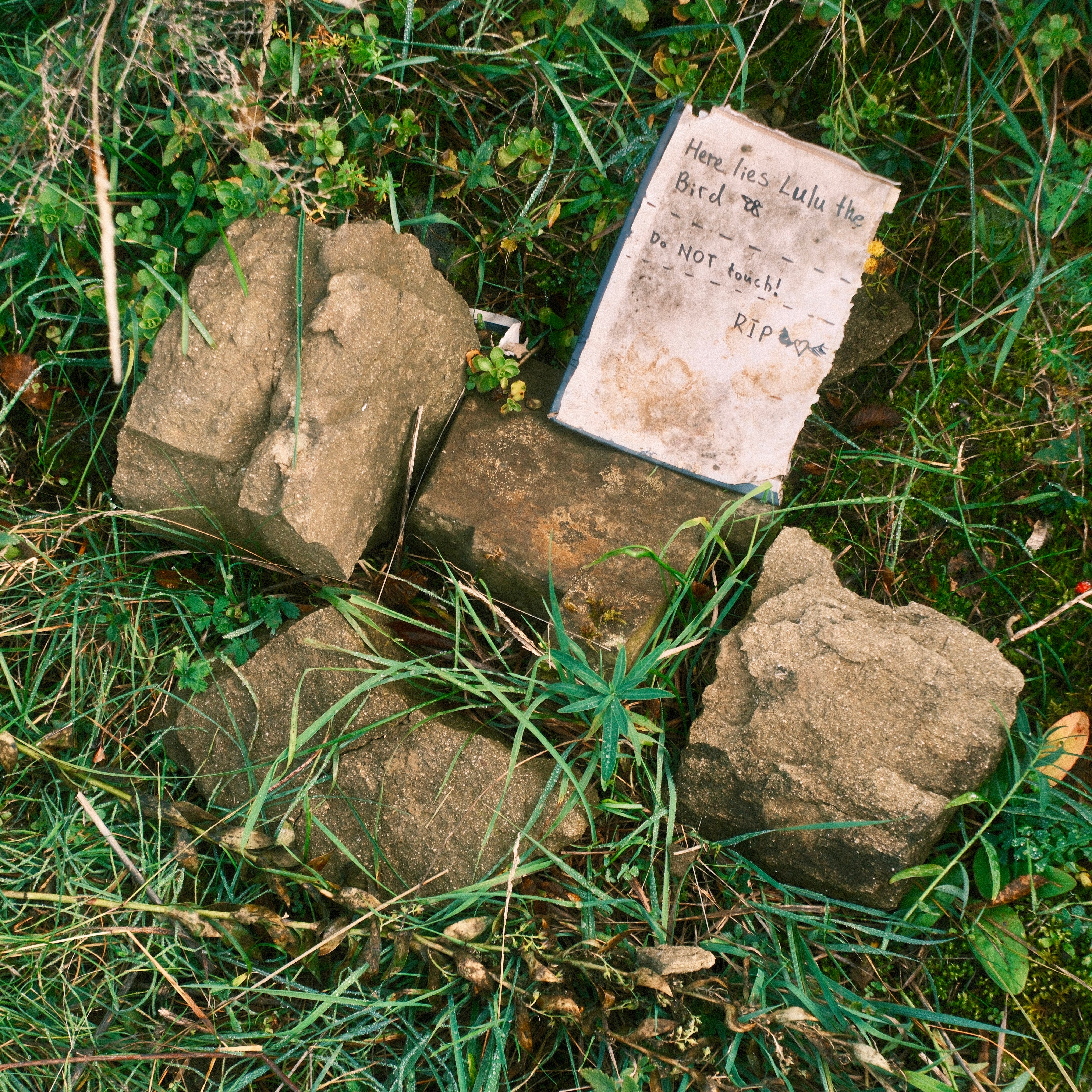
By consciously refusing to carry the sharpest lens I own and instead choosing a lo-fi one, I resisted the urge to be perfect. And the regret vanished as soon as I took the first photos. I cannot speak for others, but I often feel pressure to be perfect - to hold a place in the ever-present baseline of competition that capitalism creates. I do not want to compete with anyone, not even myself.
From that day, I have been using only this lens and I am quite satisfied with the results. I love Osan Bilgi’s Classic Cuban Negative recipe with its warm, saturated colors. Check out and try yourself:
Film Simulation: Classic Negative
Dynamic Range: DR400
Grain Effect: Strong, Large
Color Chrome Effect: Strong
Color Chrome FX Blue: Strong
White Balance: Auto, -5 Blue & +4 Red
Highlight: -2
Shadow: +1
Color: +4
Sharpness: 0
High ISO NR: -4
Clarity: -4


These photos are perfect to me. This may sound contradictory, but what I mean is that they embody the idea of perfection on their own terms - not by comparison.
Why should anyone criticize them? They were not taken to be crystal clear, razor-sharp, or clinical. They were never intended for photo contests, printing, or client work. Their purpose is entirely different - and I want to share that feeling with you.
The biggest plus of this lens is its form factor. It is very convenient to carry every day and this is one of those cases where form truly follows function. It reminds me that not everything needs to be perfect or endlessly compared to something “better.” Sometimes practicality and simple pragmatism matter far more than flawless performance. The pursuit of perfectness is futile in essence; it is an external pressure shaped by capitalism and a consumer society that constantly pushes us to upgrade and compete. This small lens proves that purpose, ease and joy can outweigh all of that.


And some more photos


And Do Not Forget to Support:
Wildlife Laboratories is free blog. But if you enjoyed this post, you can tell Wildlife Laboratories that their writing is valuable by buying a coffee. Any kind of coffee will be appreciated.
These photos are shot implementing Fuji Recipe from Osan Bilgi. Bear in mind that setting Grain Effect to [Strong, Large] reduces and worsens image quality by applying artificial noise and rendering photos with less sharpness and details. In fact, that this is the goal.